Content Cabinet
The problem every new residency has
A founder choosing a residency is making a bet with a year of their life. They want proof that the room will make them better. The established programs have that proof in their alumni lists. A new residency does not, so its launch material falls back on the things it can list: the space, the cloud credits, the mentor names and the cheque size.
Every residency can list those things, so they stop counting. The founder reading three launch posts in one week sees the same brochure three times, and goes with the program that has the longest alumni list. The new residency loses on the one thing it cannot fix in a year.
How South Park Commons started
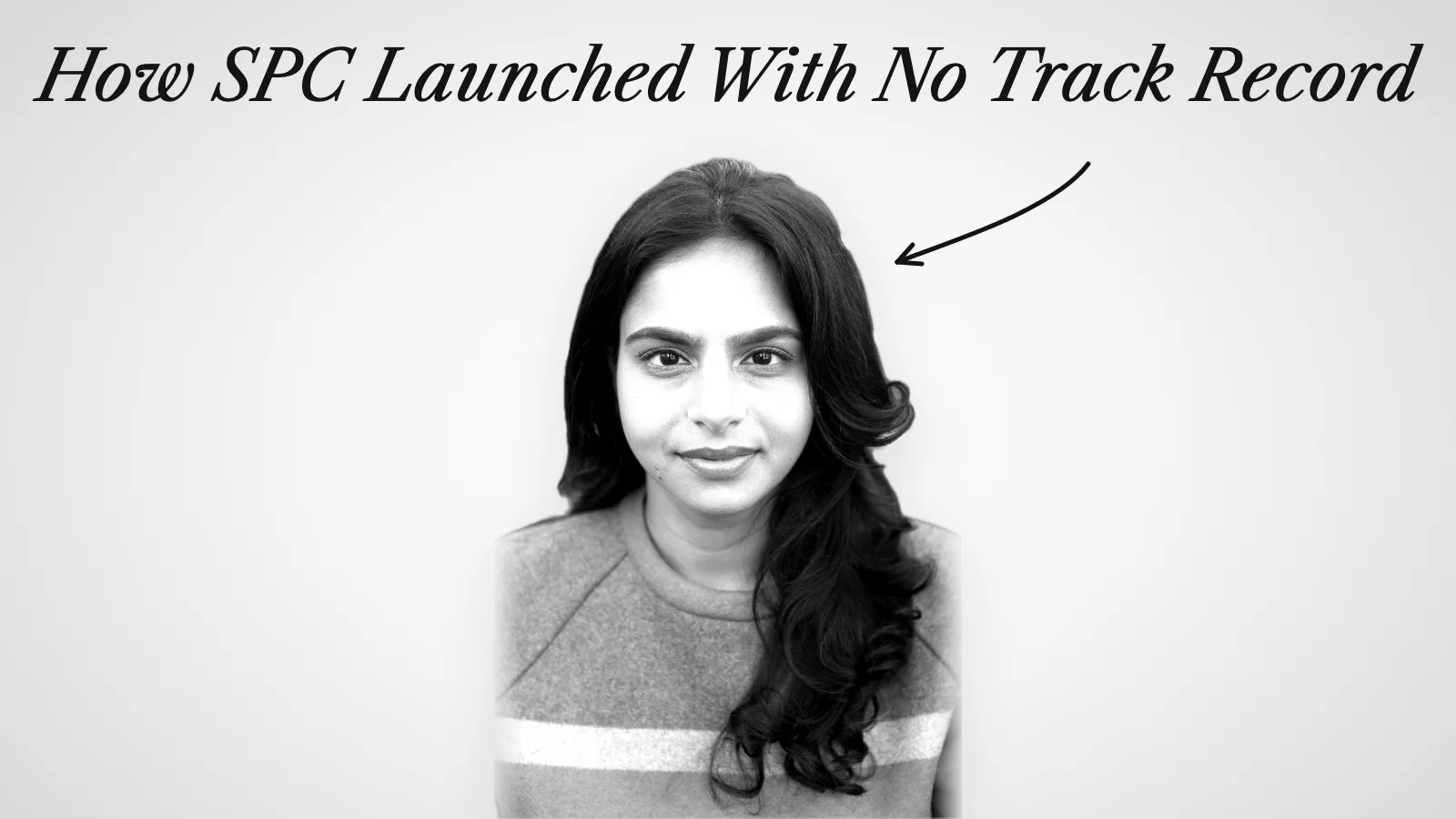
South Park Commons began with Ruchi Sanghvi and Aditya Agarwal. Sanghvi was Facebook's first female engineer, and Agarwal had been Dropbox's CTO. According to the firm's own story, it started as about ten people around Sanghvi's dining table in San Francisco, reading new AI papers together. The group included early engineers from Facebook, Dropbox and Stripe.
In 2016 they gave it a physical home in the South Park neighbourhood of San Francisco, which is where the name comes from. At that point it had none of the proof a founder looks for. What it had was a sharp answer to one question: who is this for?
The fix: name the stage you own
SPC called its stage "-1 to 0". It is the time before a company exists, when a skilled person knows they want to build but does not yet know what. Accelerators work from zero to one. They need a company, an idea and usually a team before they let you in. SPC planted its flag one step earlier.
That one phrase did the work a track record would have done. A founder who had left a big tech job and had no idea yet could read "-1 to 0" and know the place was built for them. Tech press began calling SPC an "anti-incubator", because it backed people before ideas. The firm got a category name it never had to pay for.
A decade later the phrase is still the centre of everything SPC says. Its Founder Fellowship today offers $400,000 for 7% equity through a SAFE, plus a guaranteed $600,000 in the next outside-led round. The firm reports about $2B in assets under management and a community of 1,200 members, and it now runs a fellowship in Bengaluru too.
Four things SPC did that a new residency can copy
- It built the room before the program. The dining table came first and the application form came later. When SPC launched formally, it could already show a real group of people doing real work together. A launch that shows a room full of the right people beats a launch that describes one.
- It let the founders' own careers be the first proof. With no alumni yet, the credibility came from who was running it. Facebook's first female engineer and Dropbox's former CTO are a story in themselves, and SPC put them up front.
- It used one phrase for ten years. "-1 to 0" shows up in the fellowship posts, the press and the way members describe the place. Repetition is what turned a phrase into a category.
- It published its thinking in public. SPC writes openly about each fellowship cohort on its blog. Every post adds to the record that a new firm lacks, one cohort at a time.
What this means for a residency launching in India
India now has a wave of founder residencies, studios and fellowships opening in Bengaluru, Mumbai and Delhi. Most of them launch with a walkthrough video of the space and a list of partners. Here is the SPC playbook, turned into launch work:
- Write the one line. Name the exact stage or person you serve, in words a founder would use about themselves. If it could sit on any other residency's website, keep cutting.
- Film the room, not the building. Founders arguing, pitching and changing their minds on camera is the proof a new residency can make on day one.
- Put the people who run it in front. Their careers are your track record until your cohort builds one.
- Plan for year three on launch day. The phrase you launch with is the one you will still be repeating years from now. Pick it with that in mind.
We saw this first-hand when we filmed the opening of StudioK's founder residency in Bengaluru. The pieces that travelled were founders and investors arguing about real questions on camera, such as whether you would back a founder who cried. The tour of the space did far less. People share a debate they have an opinion on, and nobody has an opinion about a floor plan.