Content Cabinet
The short answer
The best product launch videos get their one idea on screen within the first five seconds, run 35 to 90 seconds, and end on a line people can repeat. Notion 3.0 has its whole pitch on screen by second three. Vercel's v0 film opens on its own prompt box asking "What will you ship?"
Huge view counts on launch films usually include paid promotion. Notion 3.0's launch film has 15.8 million views and about 6,400 likes, a like rate of 0.04%. Figure 03 has 2.2 million views and almost 66,000 likes, about 3%. Judge launch films by their structure, and judge your own by what happens after.
AI and software launches
Devin, from Cognition (March 2024)

The CEO, Scott Wu, introduces himself from a couch with a caption that reads "Human Software Engineer", then hands over: "From now on, Devin is in the driver's seat." The film follows one real task from start to finish, benchmarking Llama 2 across three API providers. Devin makes a plan, reads API documentation in its own browser, hits an unexpected error, adds a debugging print statement to fix the bug, then deploys a website showing the results.
Showing the bug is the smart part. A demo where the product recovers from a mistake is easier to believe than one where nothing goes wrong. It closes on a benchmark chart and an invitation to send Devin a real task.
Notion 3.0: Agents (September 2025)
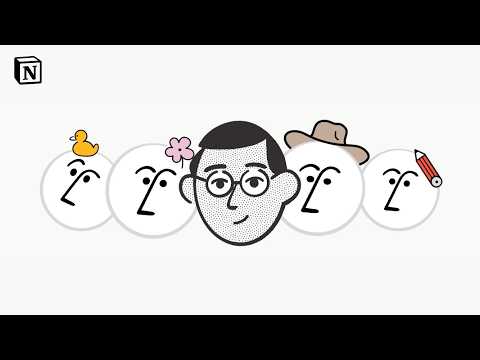
There is no voiceover. By the third second the whole pitch is on screen, "You assign the tasks. Your Agents do the work.", and by the fourth the product itself appears. The like count tells you most of the views were bought. That is normal for a launch, and it is why you should never compare your organic views with a funded launch.
Cursor 2.0 (October 2025)

It opens on "2.0", names the new agent model in the next line ("Introducing Composer, our first agent model"), and by the fifth second puts a benchmark chart on screen comparing its speed with other models. Developers decide on numbers, so Cursor leads with one.
v0, from Vercel (October 2023)
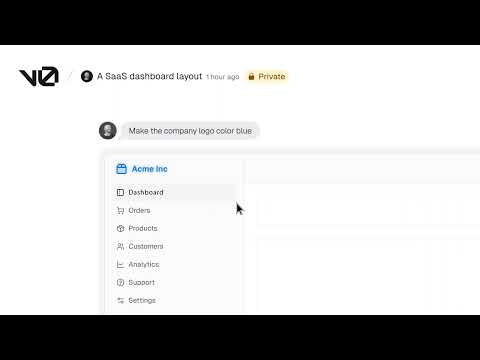
No voiceover and no people. The prompt box is the hero: "What will you ship?" appears, someone types "A SaaS dashboard layout", and the interface builds itself. Then they point at the logo, type "Make the company logo color blue", and it updates. It ends on the address, v0.dev, because the launch was a waitlist. Forty-eight seconds, two prompts, one idea: describe it and it appears.
The like rate is about 2%, roughly fifty times Notion's, from a developer audience that came to watch.
Dia, from The Browser Company (June 2025)

A short story instead of a feature list: a family cooking a feast for their father, using the browser to plan dishes around everyone's allergies. The title is the benefit, and the story shows it without a single feature callout.
Arc 1.0 (July 2023)
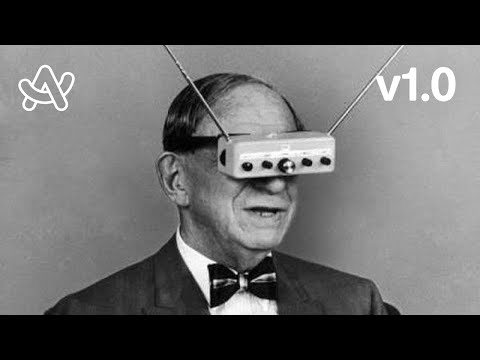
It opens on black-and-white archive footage of early inventions failing, a plane slipping off its launch frame, then a cycle on floats and a pair of television glasses, each labeled v1.0. Thirty-four seconds that turn a version number into an idea.
Raycast, "Coming 2026" (December 2025)

The search bar is on screen from the first second, and by the fourth someone has typed "clipboard". A pre-launch teaser with a like rate near 4%, far higher than the big launches, because the people watching chose to. Teasers are for building a waitlist before the real film.
Hardware launches
Figure 03 (October 2025)

Six minutes with no voiceover at all, which should not work and does. It opens on a blurred silhouette and a close-up of the robot's soft, fabric-like covering, then spends most of its time on ordinary chores in a real house, captioned "Northern California, Helix Home Testing": tidying a living room, loading a dishwasher, doing laundry, folding clothes on a bed. Later scenes put it behind a front desk and carrying a parcel outdoors.
Almost 66,000 likes on 2.2 million views is a like rate near 3%, very high for a film this long. People will watch six minutes when every shot is proof. Figure's funding film, in our funding announcement examples, works the same way.
NEO, from 1X (October 2025)

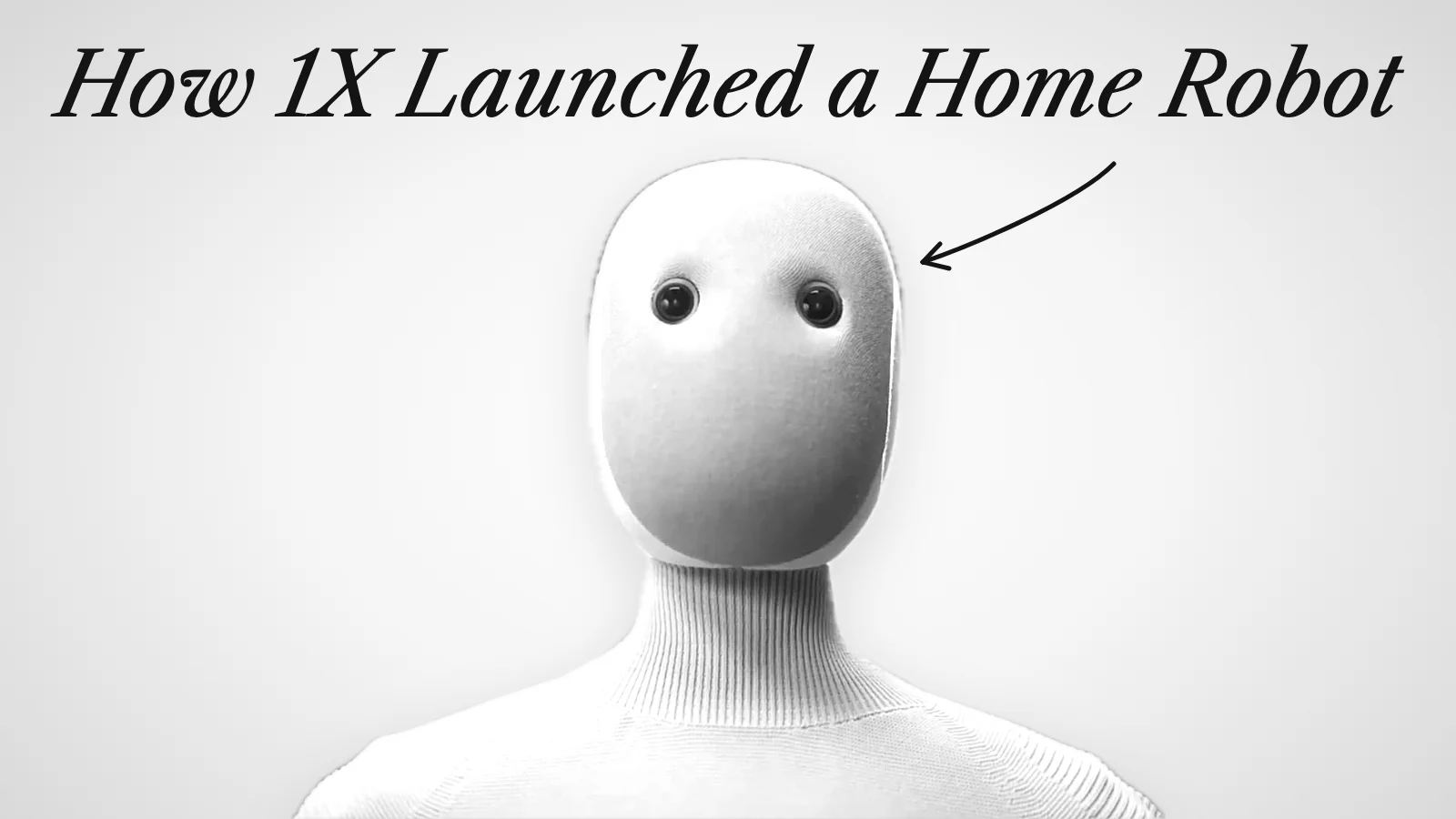
The founder, Bernt Børnich, opens with "today we're launching Neo, our humanoid for the home", then comes a short exchange: "Like my chores, I just leave and I come back and they're all done." "Are you kidding me?" The middle is his story of growing up on science fiction, the end walks through the features, and the title asks for the order.
The film drew 1.9 million views. The reviews drew more. Marques Brownlee's "The Problem with this Humanoid Robot" passed 7 million, and in the Wall Street Journal's hands-on, "I Tried the First Humanoid Home Robot. It Got Weird.", the chores were done by a remote operator wearing a VR headset. If your product comes with a caveat, say it in your own film first, because reviewers will say it to a bigger audience.
Humane Ai Pin (November 2023)

A beautiful 60-second film that never explains the product. It asks a run of questions, "Isn't life about what we experience? What we smell?", shows people asking the pin about dragon fruit and flights, and ends on "What if devices weren't the experience?" A ten-minute walkthrough of the device followed six days later.
Then the reviews arrived. Mrwhosetheboss's "I tested the Humane AI Pin - It's not good." passed 3 million views, more than three times the launch film. In February 2025 HP bought Humane's team and software for $116 million, and the Ai Pin was switched off. A launch film can win attention; it cannot outrun the product.
Introducing the new iPhone 18 Pro (September 2026)

It opens on a line, "Once you've been to the moon, where do you go next? Back to work.", then walks through the chip one sentence at a time. The longest film here, and the highest like rate of the big launches at about 0.5%. Apple can run three minutes because people come looking for it. Almost nobody else can.
The Ultrahuman Ring (July 2022)

The first six seconds are a thin arc of light in darkness that slowly becomes the ring, with "Introducing the Ultrahuman Ring" appearing only at second six. No people, no claims, just the object. It is a Bengaluru hardware launch shot the way global consumer brands shoot.
What the likes say about the views
| Launch film | Views | Likes | Like rate |
|---|---|---|---|
| Notion 3.0 | 15,755,298 | 6,358 | 0.04% |
| Humane, The Human Experience | 850,788 | 2,798 | 0.33% |
| iPhone 18 Pro | 23,587,667 | 111,035 | 0.47% |
| Dia | 241,347 | 1,157 | 0.48% |
| Devin | 1,228,724 | 12,961 | 1.1% |
| v0 | 62,783 | 1,261 | 2.0% |
| NEO | 1,883,289 | 38,727 | 2.1% |
| Figure 03 | 2,220,241 | 65,826 | 3.0% |
| Raycast teaser | 113,017 | 4,435 | 3.9% |
| Arc 1.0 | 34,462 | 1,741 | 5.1% |
Low like rates on huge view counts usually mean paid distribution. High like rates on modest counts mean an audience that chose to watch. Figure 03 is the rare film with both: millions of views and a like rate near 3%. For your own launch, the like rate is the number to chase.
Launch video ideas by launch type
- New product: show it doing its one job in the first five seconds, then the moment a user feels the difference.
- AI product: one real task, start to finish, including a mistake the product catches, the way Devin's film does.
- Hardware: real rooms and real chores. Figure 03 needed no voiceover because every shot was proof.
- Brand launch or rebrand: lead with the belief behind the change, then show the new identity in use, not on a slide.
- Company launch: the founder, on camera, saying what is broken and what they are doing about it, in under 60 seconds.
- Pre-launch: a teaser that names the date and nothing else, like Raycast's.
A 60-second launch film, second by second
| Seconds | What happens |
|---|---|
| 0 to 5 | The product doing its one job, or the problem in a single shot |
| 5 to 20 | Who it is for, shown, not told |
| 20 to 45 | Two or three moments of use, each a different benefit |
| 45 to 55 | The line people will repeat |
| 55 to 60 | Name, date or link |
Questions people ask
How long should a product launch video be?
Between 35 and 90 seconds for most launches. Apple runs three minutes because people seek its launches out, and Figure 03 held people for six because every shot was proof. Most companies have to earn every second.
What should a product launch video include?
The product doing its one job in the first five seconds, who it is for, two or three moments of use, one line people will repeat, and the name or date at the end.
Should a launch video show the founder?
For a company launch or a funding launch, yes. For a product launch, show the product. Devin's CEO is on screen for a few seconds before handing over to the product, and Figure 03 has nobody speaking at all.
What is the difference between a teaser and a launch video?
A teaser builds a waitlist before launch and says almost nothing about features. The launch film shows the product working.
Why do some launch videos have millions of views?
Usually paid promotion. Compare likes to views: a like rate far below 1% on a huge count means most viewers were shown an ad.
Sources
- Introducing Devin, the first AI software engineer
- Introducing v0: Generative UI
- Introducing Figure 03
- NEO The Home Robot | Order Today
- Marques Brownlee, The Problem with this Humanoid Robot
- The Wall Street Journal, I Tried the First Humanoid Home Robot. It Got Weird.
- Road to VR, NEO uses remote VR operators to help with chores
- Humane, The Human Experience
- Mrwhosetheboss, I tested the Humane AI Pin
- Android Central, HP acquires Humane for $116 million
- Notion 3.0: Agents
- Introducing Cursor 2.0
- New Raycast. Coming 2026
- The Ultrahuman Ring