Content Cabinet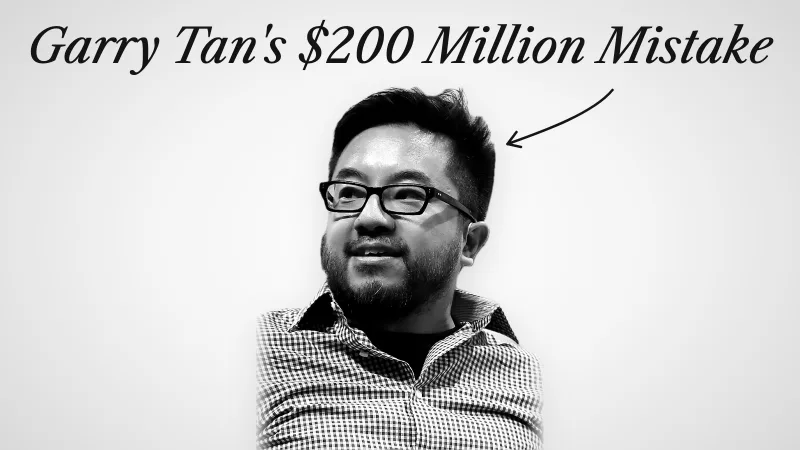
The short answer
Founder-led content is marketing where the founder, not the brand account, is the voice: their posts, videos, talks and podcast appearances, in their own words. It works because people trust a person faster than a logo.
Garry Tan, now Y Combinator's president, built a YouTube channel of 285,000 subscribers by teaching what he learned the hard way. Brian Chesky presents Airbnb's product releases himself, and Zerodha put its founders on camera for a 15th-anniversary AMA that has drawn 557,860 views. For B2B founders, the usual starting point is LinkedIn plus one recurring video format.
What it means
In practice it means the founder speaking for the company in public, regularly, about what they know and what they believe. Appearing in an ad does not count. The test is simple: would the post still be interesting with the company's name removed? If yes, it is founder-led content.
Why it works, especially in B2B
- Trust transfers. Buyers who have watched a founder think for six months arrive at the first call already half-convinced.
- It hires. Good candidates join people, and they read the founder's feed before they apply.
- It compounds. A useful post from last year still brings people in; an ad stops the day the budget does.
Examples, with real numbers
Garry Tan: teach what you learned the hard way

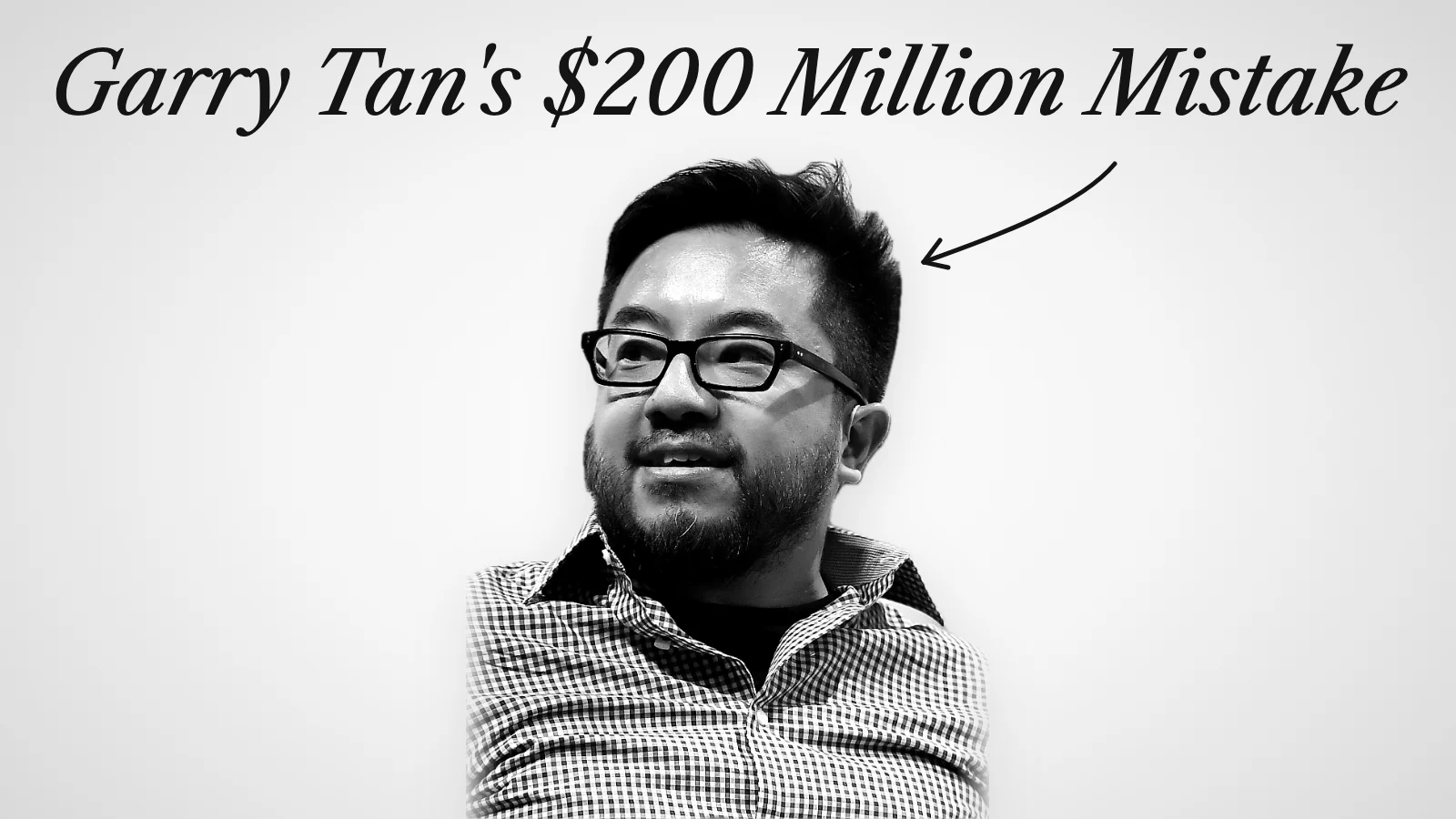
"Working for Microsoft cost me 200 million dollars." He opens on the mistake, then tells it: at 23, friends starting a company with Peter Thiel asked him to join, and he stayed at Microsoft. Garry Tan, now Y Combinator's president, built a channel of 285,000 subscribers this way, and a like rate of 3.3% says people chose to watch. A founder's most expensive lesson often makes better content than their best launch.
Brian Chesky: the founder presents the product
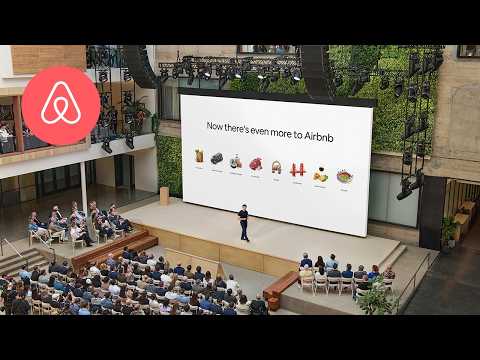
Airbnb's co-founder and CEO presents the company's product releases himself. The 2026 release opens at its San Francisco headquarters with the founding story, "In these two upper rooms we hosted 3 guests, one weekend in October 2007", before a single feature appears. When the founder delivers the launch, it reads as a promise rather than an announcement.
Rand Fishkin: one format, every week

"Howdy Moz fans, and welcome to another edition of Whiteboard Friday." The Moz co-founder taught marketing in front of a whiteboard week after week, and the fixed format made the habit easy to keep and easy for viewers to recognize. This episode argues that treating every relationship as a transaction is the most popular way to fail at marketing.
Zerodha's founders, on camera together

Nithin and Nikhil Kamath sit with three of Zerodha's leaders for more than two and a half hours and take questions. The company's channel has 767,000 subscribers, and a format like this turns the founders' judgment into the brand.
Founders on someone else's stage
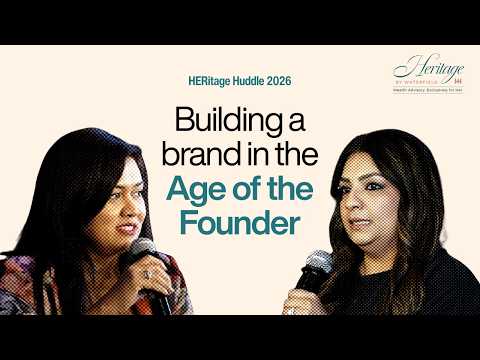
A panel we filmed at Waterfield Advisors' HERitage Huddle in March 2026, with Devita Saraf, chairperson of Vu Televisions, and Payal Singhal, founder of Payal Singhal Design House, on how visible a founder should be. Being a guest is the easiest way to start, because someone else has already built the audience.
For an Indian fund house built around its CEO's voice, see how Radhika Gupta made Edelweiss Mutual Fund a brand people follow.
A strategy that lasts
- Pick what you want to be known for. One topic you can talk about for years. Narrow beats broad.
- Pick one home and one rhythm. For most B2B founders, LinkedIn two or three times a week plus one video format a month.
- Record once, publish many times. At HERitage Huddle, one day of panels became five long-form conversations and a run of reels.
- Use your real material. Customer calls, hiring decisions, numbers you can share, mistakes you have made.
- Measure the right thing. Inbound conversations and candidates who mention your posts, rather than likes.
LinkedIn personal branding for founders
- Write the profile headline for your buyer, not your title.
- Post your thinking, and let the company page carry the announcements.
- Upload video to LinkedIn directly instead of linking to YouTube, so people can watch without leaving the feed.
- Reply to comments in the first hour; that is where the relationships start.
Twenty ideas to start with
| Kind | Ideas |
|---|---|
| Beliefs | What most people in your industry get wrong; a rule you follow that others do not; what you would never build |
| Behind the scenes | A hiring decision; a price change and why; a customer call that changed the product; a failed launch |
| Numbers | A metric you track that others ignore; what a year of building cost; your funnel, honestly |
| Teaching | How you would do your customer's job; the checklist you use; a teardown of a tool you rely on |
| People | The first employee's story; a customer's story; an investor conversation you learned from |
| Formats | A monthly founder letter; a short weekly video; a podcast guest slot; an AMA |
Common mistakes
- Posting company announcements as personal posts.
- Hiring a ghostwriter who has never heard you speak.
- Starting three platforms at once and quitting all three within a month.
- Waiting for a studio when a phone and a quiet room are enough to start.
Questions people ask
What does founder-led content mean?
Marketing where the founder is the voice: their own posts, videos, talks and podcast appearances, in their own words, alongside the brand account.
Why do founder posts work better than brand posts?
People trust a person faster than a logo, it helps hiring, and useful posts keep bringing people in long after they are published.
What are good examples of founder-led content?
Garry Tan's YouTube lessons on what he learned the hard way, Brian Chesky presenting Airbnb's product releases himself, Rand Fishkin's weekly Whiteboard Friday at Moz, and Zerodha's 15th-anniversary AMA with its founders.
Which platform should a B2B founder start with?
LinkedIn, two or three times a week, plus one recurring video format such as a monthly conversation or a podcast guest slot.
Can a founder outsource their content?
The thinking cannot; the production can. A team can record, edit, clip and schedule, as long as the ideas and the voice stay the founder's.