Content Cabinet
The short answer
The brand films people genuinely love share three traits: a human story with the product in the background, no hard sell, and an ending people repeat. Titan's The Joy of Gifting has a like rate of 2.1%, Dove's Reverse Selfie 1.15% on 3.7 million views, and Patagonia's 88-minute DamNation about 1%.
Some of the biggest numbers are bought. Google's 2025 Year in Search shows 375.6 million views and about 101,000 likes, and one of Airbnb's 30-second host films 23.3 million views and 1,194 likes. Those views came from a media budget.
Films people loved
Titan: The Joy of Gifting (2013)

Seventy seconds and not a word of dialogue, only music. More than a decade after release, it still has the highest like rate of the big brand films on this page.
Dove: Reverse Selfie (2021)
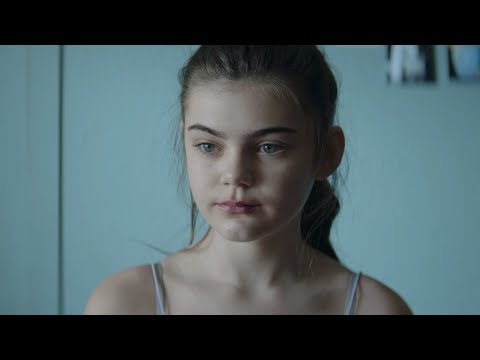
It plays a selfie backwards. A heavily edited photo on a phone becomes, edit by edit and then makeup by makeup, a young girl's own face. The end card does the talking: "The pressure of social media is hurting our girls' self-esteem." Dove sells soap, and the film never shows a bar of it. A like rate of 1.15% on 3.7 million views says people chose to watch it.
Patagonia: DamNation (2014)
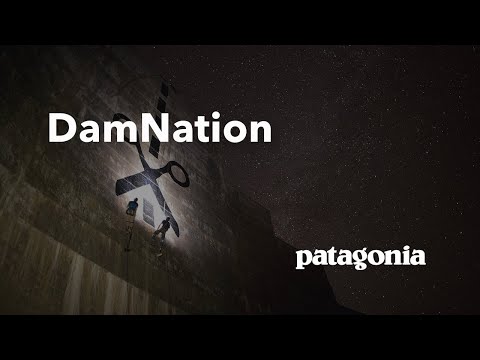
A feature-length documentary about tearing down dams, and a brand film that never mentions a jacket. It opens on "a couple decades ago it was radical in terms of thinking that you could take a dam out", then cuts to archive footage celebrating a dam "rising 726 feet above the bedrock of the river". Patagonia put the whole film on YouTube, where 1.6 million people have watched and about 1% liked it. A brand that stands for something can make its case at full length.
Nike: One Day We Won't Need This Day (2020)

Made for International Women's Day and built on one repeating line, starting with "we won't need a day to celebrate how far we've come". It ends by turning the line around: one day "this day will be our everyday". Repetition gives a short film a rhythm people remember, and a like rate near 1% says they did.
Google India: Reunion (2013)

Two childhood friends separated by Partition, found again through Search. The benchmark for Indian brand films; we break it down in What is a brand film?
Swiggy: What's in a name? (2018)
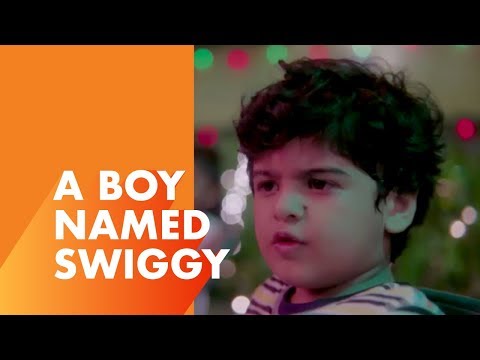
A man flinches whenever someone calls out his name, because his name is Swiggy. The film goes back 23 years to the day he was named and follows every time it hurt, from a school roll call to getting out on 99 in a cricket match. Then the turn: Swiggy's delivery partners have names too, "so, next time, don't call them 'Swiggy'. Call them by their name." A film about the brand's own name that ends up being about the people who work for it.
Films with big numbers and few likes
Google: 2025 Year in Search (2025)

Google's annual montage of what the world searched for, opening on a typed question: "Where should I start ... if I want to completely reimagine my entire life?" Google has made one every year for more than a decade, and it is also one of the most heavily promoted films on YouTube: about 101,000 likes on 375.6 million views is a like rate of 0.03%. Judge the format by its idea and the views by the budget.
Airbnb: Takashi's Room (2023)

Thirty seconds about a host in Kyoto who gave his guests a taste of the city by teaching them to make sushi, one of a series of short films about Airbnb hosts. 1,194 likes on 23.3 million views says it ran as paid media. Short host stories are a smart way to show what a room means; the views only tell you about the budget.
Chipotle: A Future Begins (2021)

An animated short with toy-like characters, set to music by Kacey Musgraves, about the next generation of farmers, tied to the grants, scholarships and long-term contracts Chipotle funds for them. It ends on "Cultivate a better world". A cause the company actually pays for is one of the strongest briefs a brand film can have. The 0.07% like rate says most of the 11.3 million views were bought.
A corporate film any company can make
Zerodha's Product Journey, 2010 to 2020

Ten years of product launches in 65 seconds. Any company with a history can make this film, and its 4.5% like rate is the highest on this page.
Three of ours

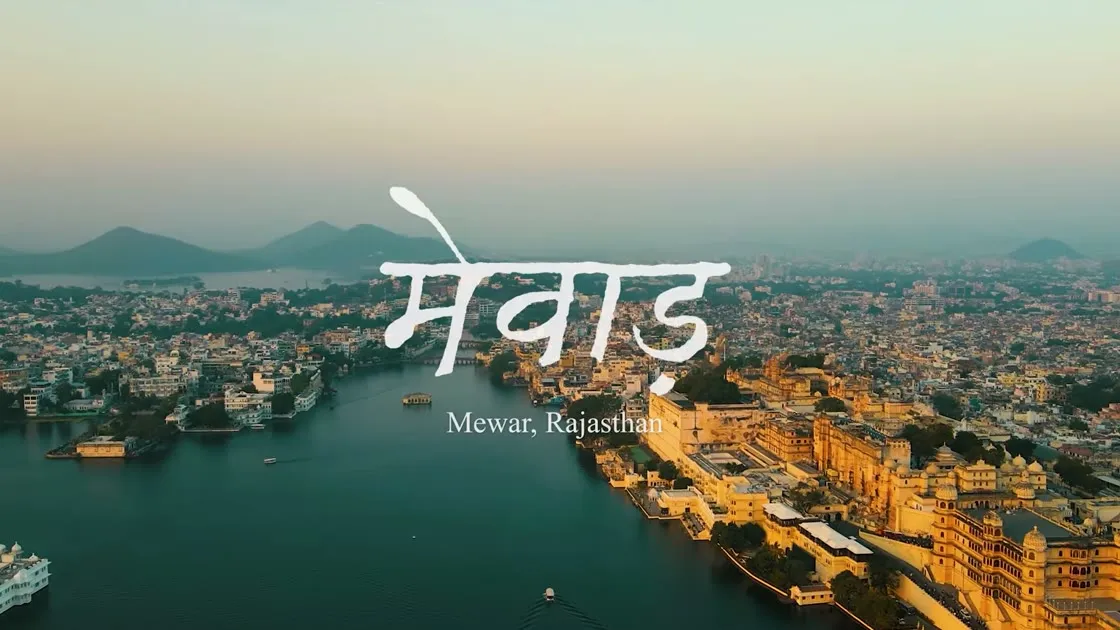
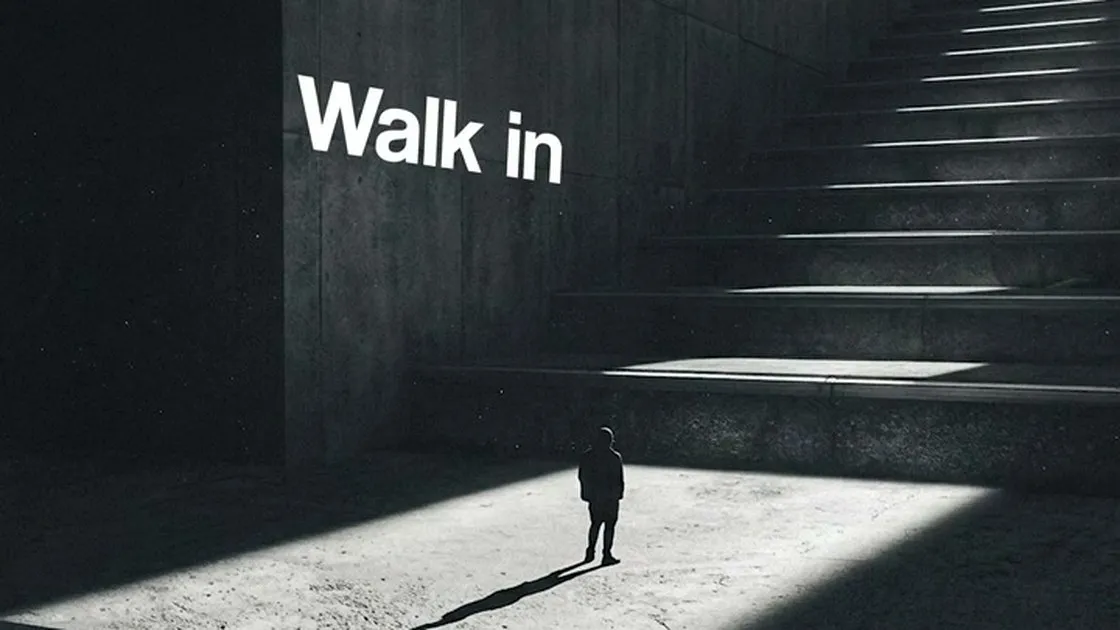
A campaign film on women and wealth for Waterfield Advisors, a legacy film for the Maharana of Mewar Charitable Foundation, and the opening film for StudioK's founder residency in Bengaluru.
The like-rate check
| Film | Views | Likes | Like rate |
|---|---|---|---|
| Zerodha, Product Journey | 16,290 | 728 | 4.47% |
| Titan, The Joy of Gifting | 6,613,333 | 140,551 | 2.13% |
| Dove, Reverse Selfie | 3,746,182 | 43,254 | 1.15% |
| Patagonia, DamNation | 1,605,115 | 16,529 | 1.03% |
| Nike, One Day | 1,036,578 | 10,161 | 0.98% |
| Google India, Reunion | 16,713,240 | 125,049 | 0.75% |
| Swiggy, What's in a name? | 21,636,925 | 98,444 | 0.45% |
| Chipotle, A Future Begins | 11,287,811 | 7,551 | 0.07% |
| Google, 2025 Year in Search | 375,585,991 | 101,464 | 0.03% |
| Airbnb, Takashi's Room | 23,289,320 | 1,194 | 0.005% |
Run this check before you copy anyone's film. A high like rate usually means the film itself did the work; a near-zero like rate means the media budget did.
Questions people ask
What are the best brand film examples?
By audience response, films like Titan's The Joy of Gifting, Dove's Reverse Selfie, Patagonia's DamNation and Google India's Reunion, with like rates from 0.75% to 2.1% on millions of views.
How can you tell if a brand film's views were paid?
Compare likes with views. In our sample, films people sought out earned likes on roughly 0.4% to 4.5% of views, while paid placements showed millions of views with like rates under 0.1%.
What makes a corporate film different from a brand film?
A corporate film explains the company, its facilities or its work; a brand film tries to make people feel something about why the company exists.
How long are most brand films?
Between 30 seconds and 4 minutes in this list, with one outlier: Patagonia's DamNation runs 88 minutes.
What does a brand film cost in India?
Most serious brand films cost ₹3 lakh to ₹15 lakh, per Balladi Studios' 2026 guide.